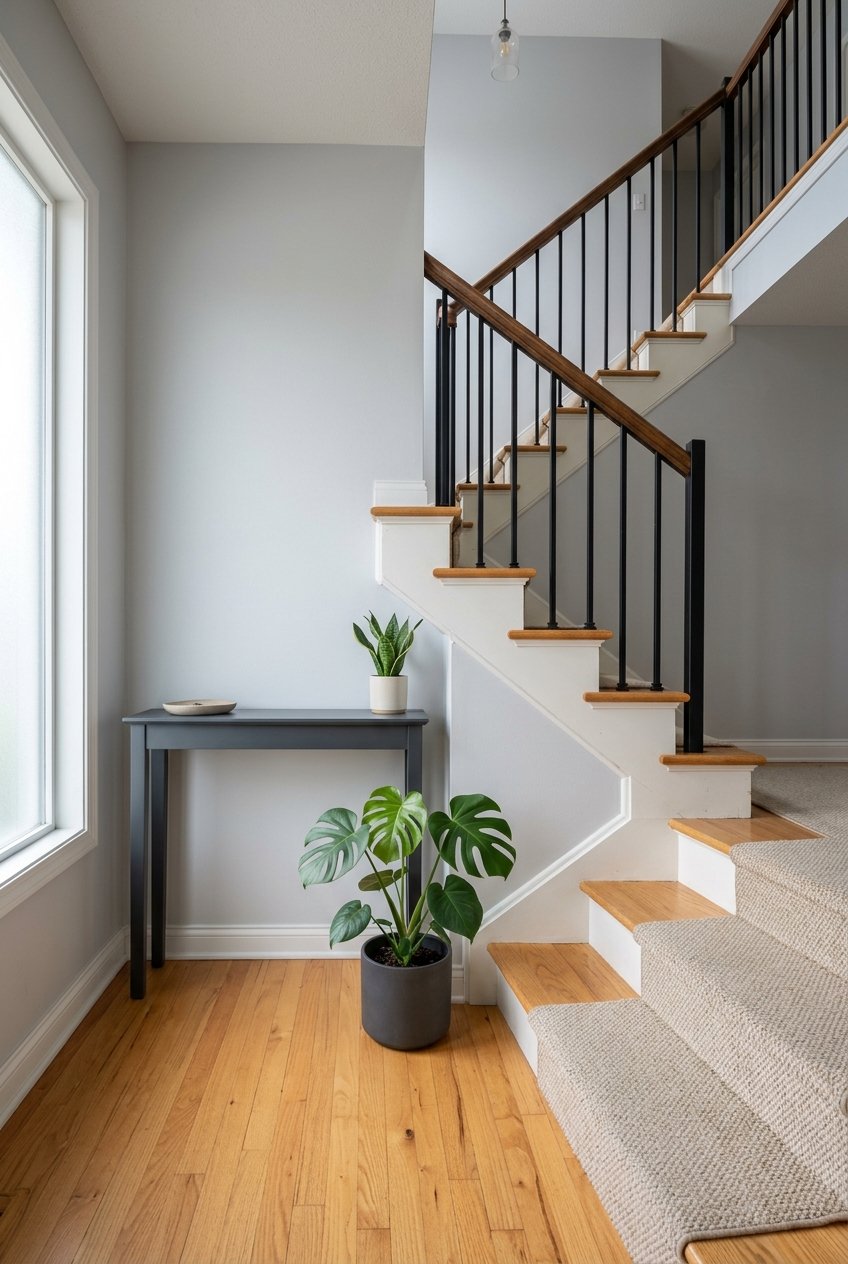
Comparing Single-Family Homes In Colonie And Albany
March 26, 2026
March 26, 2026
Choosing between a Colonie address and living in the City of Albany can feel like comparing apples to oranges. You are likely weighing price, yard size, commute time, and what day-to-day life will feel like. In this guide, you will see the key differences for single-family homes so you can match your budget and lifestyle to the right location. Let’s dive in.
If you are starting with the numbers, here is the clearest summary. In 2024, the median sale price for single-family homes was about $350,000 in the Town of Colonie and about $260,000 in the City of Albany, based on recorded closings from New York State transfer data summarized by the Capital District Regional Planning Commission. You can review the municipality-level medians in the CDRPC report for context and detail on methodology (2024 Capital Region single-family medians).
Those medians reflect closed sales, not list prices. They also show a pattern you will feel on the ground. Many suburban towns, including Colonie, tend to command higher single-family prices than the older, denser City of Albany. Neighborhood-level variation is real in both places, so use these medians as a starting point, then refine with active listings and recent comps.
How much yard do you want to maintain? Do you prefer newer layouts or historic character? Colonie and Albany diverge here in clear, practical ways.
Colonie’s Single-Family Residential district sets a minimum lot area of 18,000 square feet and a minimum lot width of 80 feet for new SFR parcels. That minimum, about 0.41 acres, is a good baseline for what “suburban” means in the town (Town of Colonie dimensional table). Existing neighborhoods often meet or exceed these standards, which translates to more separation between homes and more private outdoor space.
Across Albany County, a technical parcel study estimated an average residential lot size near 18,351 square feet when mixing single-, two-, and three-family parcels. Colonie’s suburban lots help pull that county average upward (Albany County parcel analysis).
Albany’s housing is older and denser. The city reports nearly 43% of housing units built before 1940, a median year built around 1949, and 95% of homes built before 2010. That age profile matches the walkable block pattern and smaller urban parcels found in many neighborhoods (City of Albany 2025 Housing Audit).
What does that mean for you? Expect more modest yards, narrower frontages, and homes with historic details. You will also see a higher share of attached or multifamily buildings across the city, which shapes neighborhood character and density.
Where you work will heavily influence the right fit.
Albany is a regional job hub. The city is a net importer of workers, with about 122,222 primary jobs located within the city. The audit also shows that roughly 43% of Albany residents’ jobs are within the city. If you work downtown or in state government, living in Albany can shorten daily travel and reduce commute variability (Albany Housing Audit: jobs and worker flows).
Colonie functions as a suburban residential market with strong access to I-87, I-787, and US-9, which makes regional commuting practical in many directions. In 2024, Colonie also recorded the highest count of single-family purchases in Albany County, a signal of steady buyer demand for its location and housing stock (CDRPC single-family market summary).
If you value larger lots, quiet streets, and the ability to reach multiple job centers by car, Colonie aligns well. If you prefer a short commute to downtown or would like stronger local transit options, Albany often has an edge.
Here is a quick way to frame the choice.
School districts cross some municipal lines in the region. If schools are a priority, review the exact district boundaries for any address you consider. Keep the focus on objective factors like commute, lot size, layout, and budget while you compare.
Use this simple checklist to match your needs to each location:
Budget and price expectations
Lot and outdoor space
Home age and condition
Commute and transportation
Services and daily life
You can make a confident choice with a few practical steps:
Get fully underwritten pre-approval. With tight inventory at many price points, a strong pre-approval helps you act quickly and negotiate from a position of strength.
Tour in pairs. See a Colonie home and an Albany home back-to-back. Pay attention to street feel, driveway access, and how the layout fits your daily routines.
Confirm lot size and setbacks. Pull assessor or parcel data for any home you like. In Colonie, compare the parcel to the SFR minimums for context. In Albany, verify frontages and rear yard depth to gauge outdoor usability.
Test the commute. Drive your most likely route at peak hours on a weekday. If you will use transit, check schedules and transfer points so the day-to-day feels real.
Plan for the age of the home. Older homes can be wonderful, but they require a sharper eye on roof age, mechanicals, windows, and electrical. Build a light renovation budget if you love a home with character.
Align on total monthly cost. Price is step one. Add taxes, insurance, utilities, and any renovation or maintenance plans to see the full monthly picture.
If you want a data-backed plan tailored to your goals, I would love to help you run the numbers, compare neighborhoods, and craft a winning offer.
Ready to zero in on the right fit in Colonie or Albany? Let’s connect. Reach out to Kayla Mooney for a focused consult and a clear next step.
Stay up to date on the latest real estate trends.

Whether you’re exploring or ready to move, Kayla Mooney is here to guide you—reach out today.