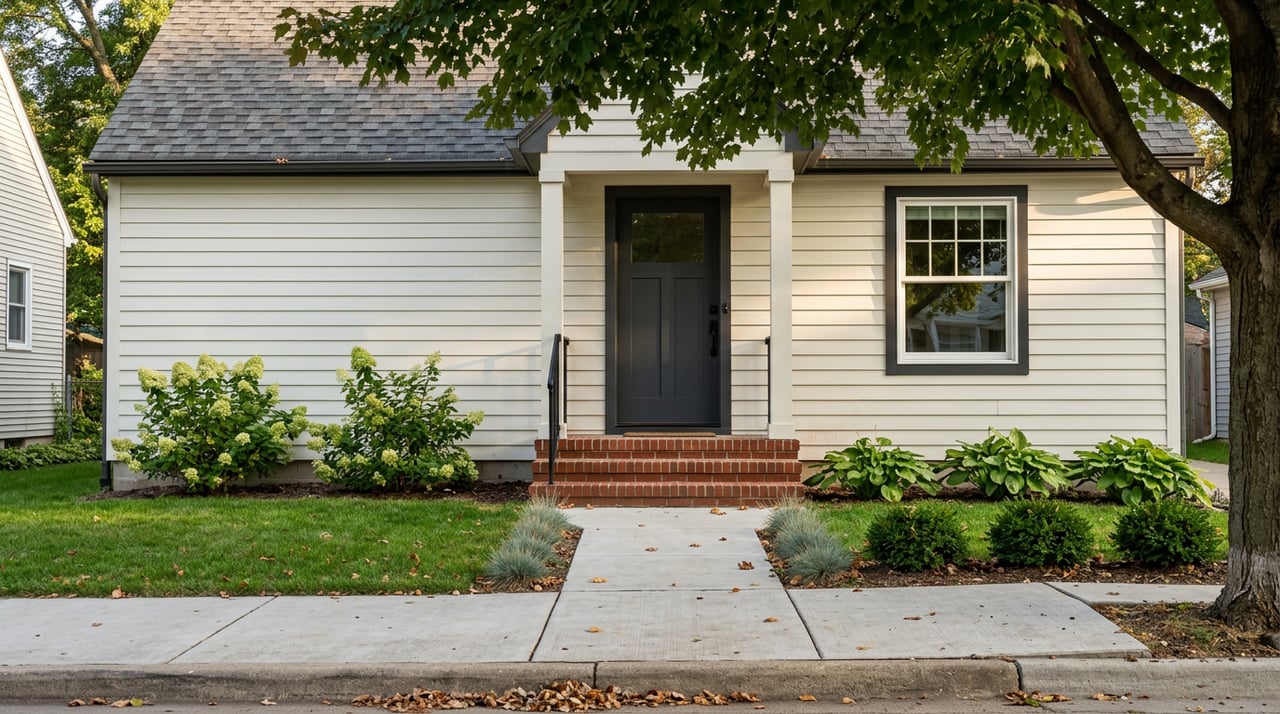
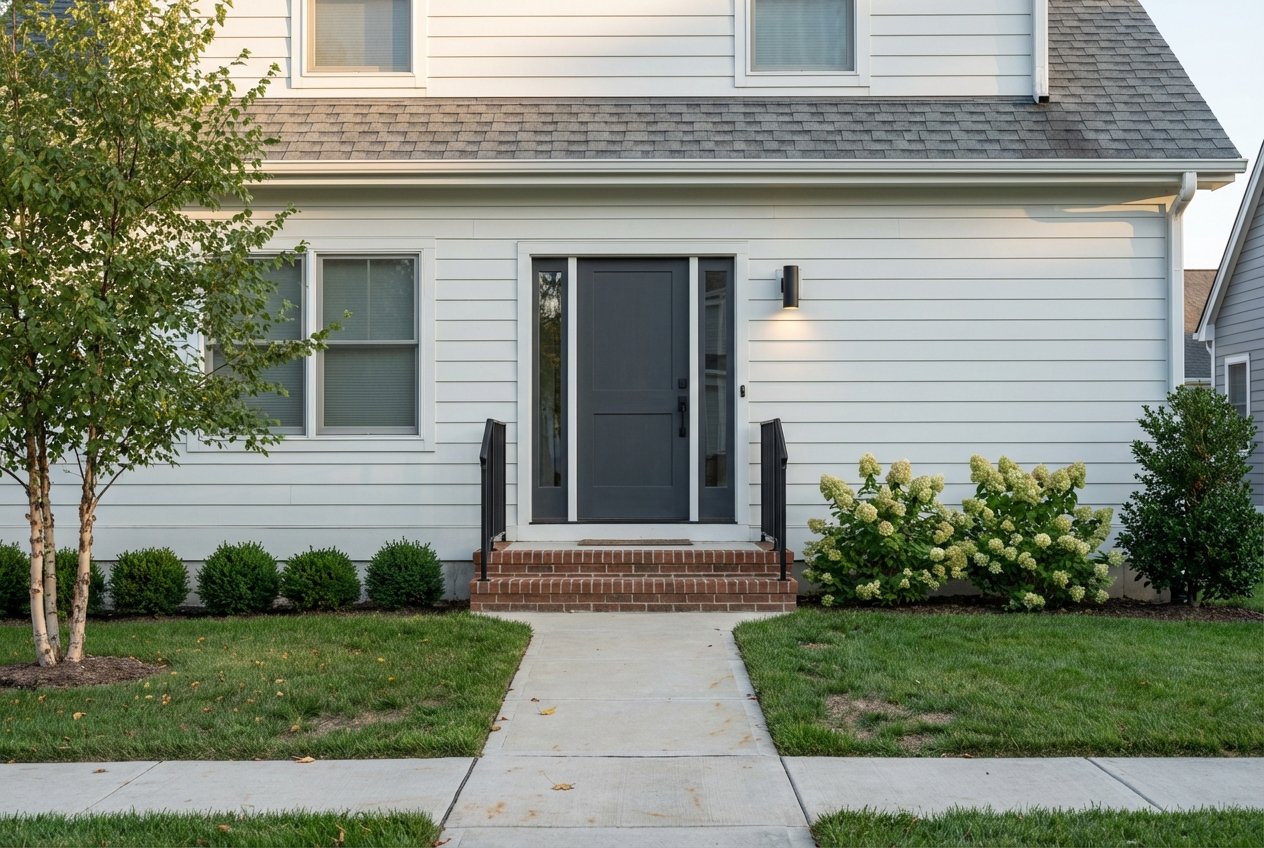
Want to live in Albany for less while building equity faster? House hacking lets you do exactly that by living in one unit and renting the other, or by legally renting out part of a single‑family home. If you are a first-time buyer or an investor-minded homeowner, it can feel hard to sort out rules, financing, and the numbers. This guide gives you a simple, Albany-specific playbook so you can choose the right property, avoid costly pitfalls, and run the math with confidence. Let’s dive in.
What house hacking means
House hacking is a strategy where you buy a home, live in one portion, and rent out the rest to lower your out-of-pocket housing cost. In Albany, that often means a duplex, triplex, or fourplex. It can also mean a single-family home with a legal accessory apartment. Your goal is simple: use rent from the other unit or space to offset your mortgage, taxes, and insurance while you build equity.
Albany prices and rents today
Entry-level small multifamily and owner-occupied options in Albany typically trade in the low to mid six figures. A practical working range for many deals is roughly $270,000 to $310,000 as a 2025 to early 2026 benchmark. City-wide average apartment rents run about $1,500 to $1,800 per month depending on unit size and neighborhood, with a recent city average around $1,740 according to RentCafe’s Albany market data. Your underwriting should still use actual, hyper-local comps for the block and unit type you plan to rent.
Best property types in Albany
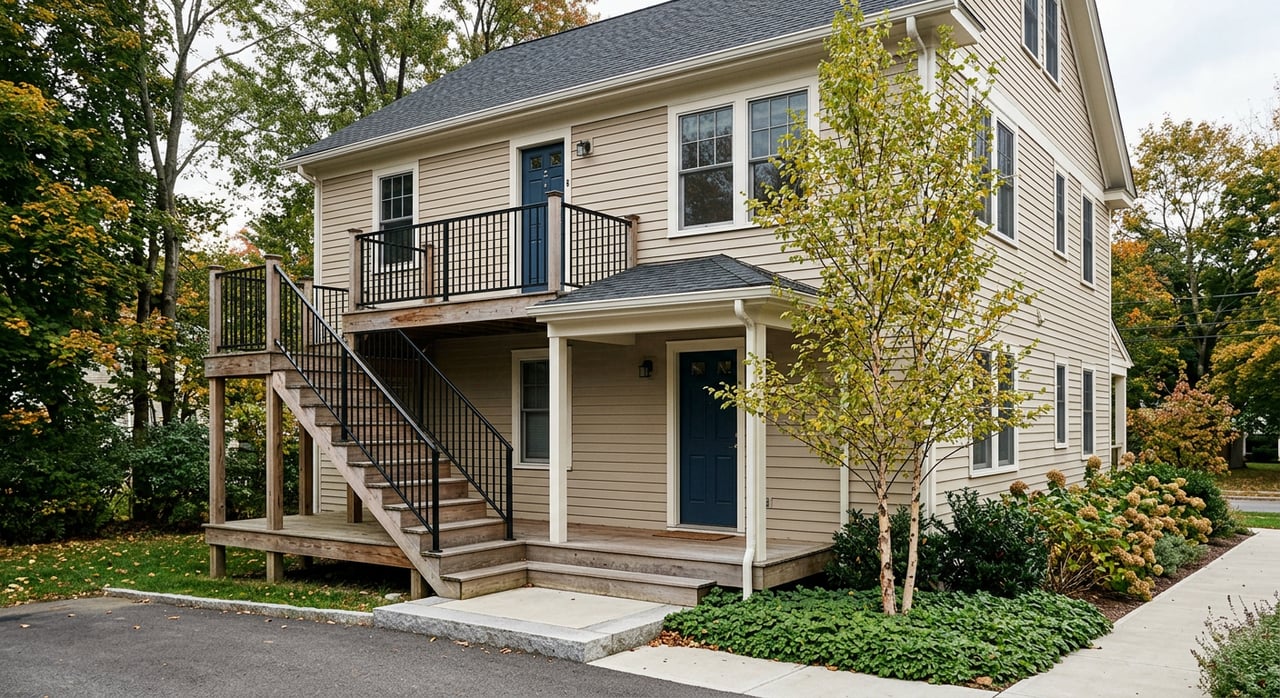
- Small multifamily, 2 to 4 units. Duplexes, triplexes, and fourplexes are common in the city and work well for living in one unit and renting the others.
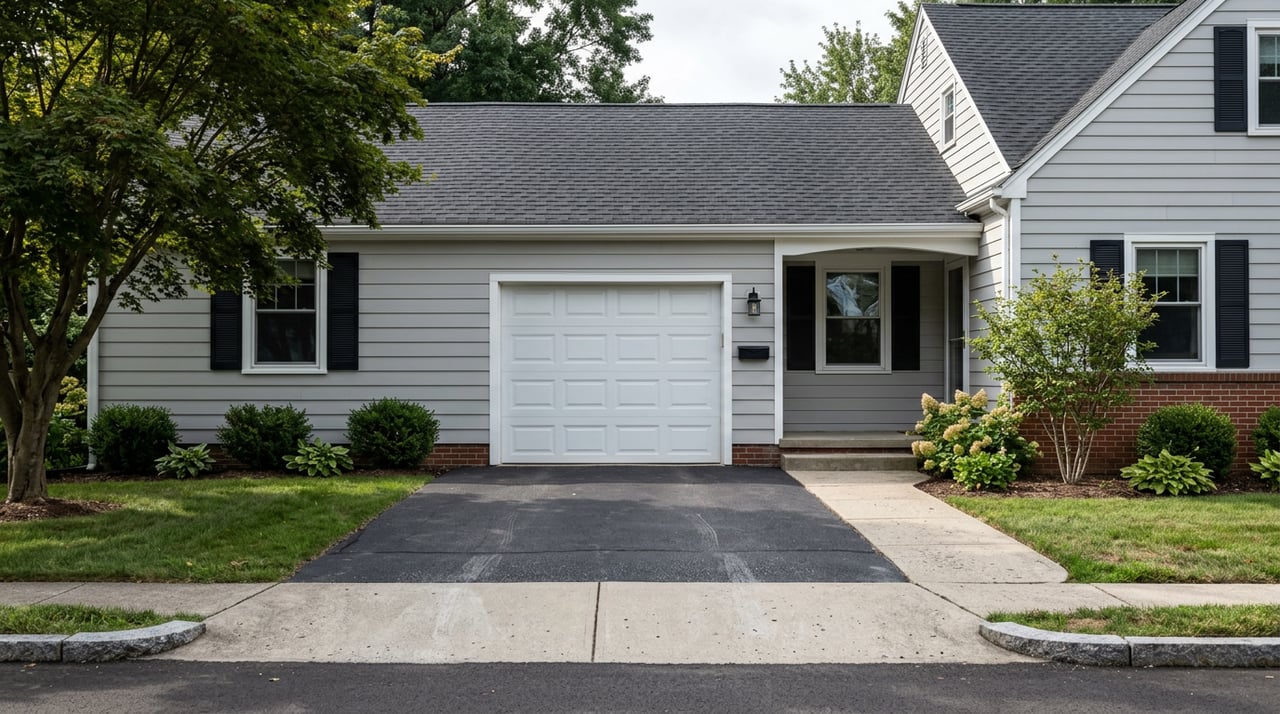
- Single-family with a legal rental space. Think a permitted basement or attic apartment, or an accessory apartment that meets code. Do not assume a space is legal because it has a kitchenette. Always verify permits and egress.
Albany rules to check first
Before you write an offer, confirm these items. They can make or break a house hack in Albany.
- Residential Occupancy Permit. Every rental unit in the City of Albany must be registered and have a valid Residential Occupancy Permit (ROP). New ROPs are valid for 24 months. Start with the City’s guidance on Residential Occupancy Permits. Local reporting has noted thousands of expired permits in recent years, so treat ROP status as a must-verify item and a negotiation point if lapsed. See this Times Union review of permit lapses for context on enforcement focus: review of expired ROPs.
- Building permits and egress. Any conversion, basement apartment, or accessory unit must meet code, including proper egress, heating, ventilation, and safe electrical. The City’s Building & Regulatory Compliance office is your permitting authority. Review the City’s Code Enforcement and permitting overview to understand what is required.
- Lead paint and disclosures. Many Albany homes predate 1978. Expect federal lead-based paint disclosure requirements and safe-handling rules for work. Budget for possible remediation when a property is older.
- Landlord-tenant basics. New York State rules cap most security deposits at one month’s rent and set handling and notice standards. For a concise summary, use the NY Attorney General’s Tenants’ Rights Guide. Keep your lease and deposit process compliant from day one.
- Zoning and ADUs. If you plan to create a new accessory apartment, confirm zoning with the Planning and Zoning division before you count on that income. Historic-district or neighborhood rules can add steps.
Financing options for 2–4 units
Owner-occupied financing can make a house hack much more accessible. Here are the most common paths.
- Conventional 5 percent down for 2–4 units. Fannie Mae’s Desktop Underwriter now allows up to 95 percent loan-to-value for owner-occupied 2 to 4 unit purchases in many approved scenarios. That means 5 percent down is possible for qualified buyers. Lenders often require reserves and standard credit and DTI metrics. Read a summary of the update in HousingWire’s coverage.
- FHA 3.5 percent down, 1–4 units. FHA loans allow low down payments with owner-occupancy requirements. For triplex and fourplex purchases, FHA adds a self-sufficiency test, and FHA mortgage insurance applies. You must plan to occupy within a set timeframe and usually for at least one year. See HUD’s handbook reference in the FHA manual for details.
- VA options for eligible buyers. If you qualify for VA financing, you can buy a 1 to 4 unit property and live in one unit, often with little or no down payment. Confirm current underwriting with a VA-approved lender.
Two practical tips:
- Lenders commonly count a portion of projected rent toward your qualifying income, often around 75 percent after a vacancy factor. Ask your lender how they will treat income for your specific property and whether leases or appraiser rent schedules are needed.
- Plan for reserves. Many lenders require several months of total PITI in reserves for 2 to 4 unit purchases. Aim for six months to be safe.
Run the numbers: Albany example
The best house hacks start with clear, conservative math. Here is an illustrative example using local benchmarks. Replace every input with the actual details of a listing, your lender quote, and the parcel’s tax bill.
- Purchase price: $300,000. This sits inside a common Albany range of about $270,000 to $310,000.
- Down payment and loan: Conventional 5 percent down, $15,000; loan amount about $285,000, using the Fannie Mae 2 to 4 unit option described above.
- Interest rate: Illustrative 30-year fixed at 6.0 percent. Mortgage rates move weekly. Check the latest Freddie Mac averages through the PMMS series and confirm with your lender.
- Monthly principal and interest: About $1,708 on $285,000 at 6.0 percent.
- Property taxes: Use the actual tax bill. As a placeholder, an effective rate of roughly 2.0 percent of market value puts annual tax near $6,000 for a $300,000 property, or about $500 per month. For county context, see Albany County tax reference.
- Insurance: Illustrative $1,200 per year, about $100 per month.
Estimated PITI: $1,708 + $500 + $100 = $2,308 per month.
Rental offset if you live in one unit and rent the other:
- Market rent example: $1,600 per month for a typical 1 to 2 bedroom unit, within the $1,500 to $1,800 city pattern summarized by RentCafe’s Albany data.
- Vacancy and operating reserve: Use a conservative 40 percent of gross rent for small owner-managed buildings. Net of reserves: $1,600 × 60 percent = $960.
- Owner out-of-pocket housing cost: $2,308 − $960 = $1,348 per month.
This is an illustration, not a forecast. Your results will change with the actual rent comps, your interest rate and PMI, the tax bill for that property, and any repairs you need to complete for legal occupancy. Always run the numbers with your lender and with real comps for the subject neighborhood.
Neighborhood fit and demand
Albany has a high share of renters and many small 2 to 4 unit buildings. Vacancy has been tight in recent years across the Capital Region, which supports steady demand. That said, conservative underwriting is still smart. Bake in a vacancy factor and a capital expenditure reserve, and plan for routine maintenance. The City has also put attention on rental safety and compliance, so clean ROP status and solid maintenance help you attract and retain tenants.
What to inspect first
Older Albany properties can deliver great long-term value, but the first inspection can reveal issues that change your budget. Prioritize:
- Electrical. Look for knob-and-tube wiring or undersized service that may require upgrades.
- Heating systems. Older oil furnaces or end-of-life boilers can be expensive to replace.
- Egress and fire safety. Especially for basements and attics, confirm legal egress, smoke, and CO compliance.
- Lead paint risk. For pre-1978 homes, plan for safe practices and potential remediation.
- Utilities and meters. Separate gas and electric meters simplify tenant billing and underwriting.
- Parking and storage. Practical tenant amenities for Albany’s seasons matter and can influence marketability.
Simple due diligence checklist
Use this quick list as you evaluate each property:
- Confirm zoning and permitted uses with the City’s Building & Regulatory Compliance office. If you plan to add an apartment, verify the path before you rely on the income. See the City’s Code Enforcement overview.
- Verify ROP and rental registry status for every unit. If an ROP is expired, treat passing inspection and issuance as a condition of closing. Start with the City’s page on Residential Occupancy Permits.
- Order a full home inspection and get written estimates for items that could block legal occupancy, like egress, electrical, and heating. Budget for lead-safe work on older homes.
- Pull rent comps for the unit type and neighborhood, not just city-wide averages.
- Get pre-approved with rental income included so you know how much of the projected rent your lender will count.
Offer strategy that works
- Build in contingencies that protect you. Make passing ROP inspection or issuance of a valid ROP a condition of closing if any unit’s status is unclear.
- Negotiate based on life-safety and compliance items. If egress, electrical, or heating work is needed to legally rent, use third-party bids to support a price adjustment or a seller credit.
- Clarify occupancy timing. FHA and other programs require you to occupy within a specific window and typically for at least a year. Plan your move-in date accordingly.
- Document separate utilities. If meters are not separated, decide whether you will submeter, include utilities in rent, or plan a future upgrade. Price that into your underwriting.
Common red flags in Albany
- No valid ROP or signs of unpermitted units.
- One meter serving multiple apartments without a clear plan to address billing.
- Structural or egress limitations that prevent a basement or attic from being a legal rental.
- A history of repeated code violations or open cases in city records.
Next steps
If house hacking is part of your plan for Albany, start with a short list of target neighborhoods and a clear financing path. Use the due diligence checklist above on each property and run the numbers conservatively. When you are ready to compare options or want eyes on the ROP, permitting, and underwriting details, reach out. I combine mortgage-industry fluency with on-the-ground investment experience to help you choose the right property and structure a winning offer. Kayla Mooney. Let’s connect.
FAQs
What is house hacking in Albany?
- It is buying a home, living in one unit or space, and legally renting the other unit(s) to lower your monthly housing cost while building equity.
Do I need a Residential Occupancy Permit to rent a unit in Albany?
- Yes. Each rental unit must be registered and have a valid Residential Occupancy Permit that is renewed on the City’s schedule, so verify status before closing.
Can projected rent help me qualify for a duplex mortgage?
- Often yes. Many lenders count a percentage of projected rent toward your qualifying income, subject to documentation and program rules that vary by loan type.
How much down payment do I need for a 2–4 unit home?
- Many buyers can use 5 percent down conventional financing for owner-occupied 2 to 4 unit homes, while FHA allows 3.5 percent down with added rules and mortgage insurance.
Are basement apartments legal to rent in Albany?
- Only if they meet code and have proper permits, including egress and safety requirements, which you should verify with the City’s Building & Regulatory Compliance office.
What is a conservative way to estimate my out-of-pocket cost?
- Subtract a vacancy and operating reserve from expected rent, then subtract that net rent from your PITI; using a 40 percent reserve is a simple conservative starting point.