Thinking about a move to New York’s Capital? Albany blends historic, walkable neighborhoods with a strong park system, quick commutes, and a lively arts scene. If you want city energy without big-city hassle, you’ll find a lot to like here. In this guide, you’ll get a feel for daily life, neighborhoods, housing styles and budgets, and how to get around. Let’s dive in.
Albany at a glance
- Population: 101,317 (U.S. Census July 1, 2024 estimate). See the city snapshot on the U.S. Census QuickFacts page for Albany. Census QuickFacts
- Commute: The mean travel time to work is about 19.5 minutes (2019–2023 ACS), which is short compared with many metros. Census QuickFacts
- Home values: Zillow’s January 2026 snapshot shows a typical city home value around $310,000. The Census ACS 2019–2023 median owner-occupied value is $223,000. The difference reflects fast-moving market indices vs. multi-year survey data.
- Rents: Market sources, including Zillow, placed asking rents near $1,500 to $1,600 in January 2026, while the Census 2019–2023 median gross rent is lower. Expect variation by neighborhood, property type, and condition.
A day in the life
Walkable nights near Lark Street
You step out of a rowhouse onto tree-lined blocks and follow the buzz toward Lark Street. Cafés, restaurants, and galleries pack this corridor, and neighborhood festivals like LarkFest and Art on Lark add extra spark throughout the year. If you want a low-car lifestyle with plenty to do, Center Square and the Lark Street area deliver that right outside your door. Explore the corridor’s vibe and programming through the Lark Street Business Improvement District.
Park-first routines by Washington Park
If weekend mornings in the park sound like your reset, the streets around Washington Park, Hudson–Park, and the Mansion area are a strong match. The park anchors the neighborhood with trails, open lawns, and community events, including a seasonal farmers market that brings neighbors together in good weather. Learn more about seasonal programming through the Washington Park Conservancy.
More space in Pine Hills and university areas
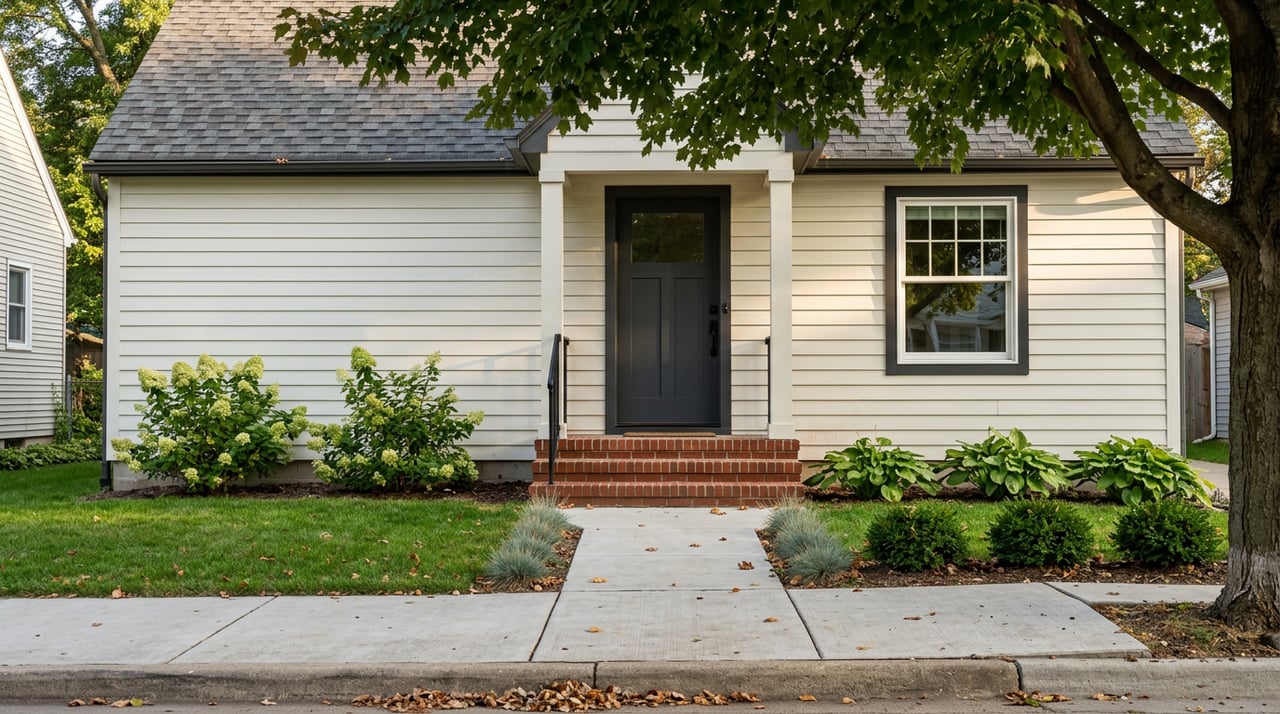
Pine Hills and nearby university-area neighborhoods offer a mix of older single-family homes, two-families, and rentals. You get quieter, residential blocks while staying within city limits. Architecture varies, and many homes have the character buyers want with room to update over time.
Easy access for frequent travelers and commuters
If you travel for work or like weekend getaways, living near Downtown and the Capitol District puts you close to Albany-Rensselaer’s intercity rail, cultural institutions at Empire State Plaza, and nightlife that keeps growing in the Warehouse District. Albany International Airport is a short drive too, roughly 10 to 15 minutes from downtown by car. Check routes and updates at Albany International Airport.
Neighborhood snapshots
Center Square and Lark Street
- Feel: Compact, historic, and highly walkable with a dense strip of dining and nightlife along Lark Street.
- Homes: Rowhouses, brownstones, multi-family townhomes, and apartments. Prices often run higher than city medians due to location and walkability.
- Who it fits: You want a social scene within a few minutes on foot, plus access to city events. Learn more about neighborhood programming via the Lark Street BID.
Washington Park, Hudson–Park, Mansion District
- Feel: Park-centric living with stable, walkable blocks and seasonally active green space.
- Homes: Restored historic homes and apartments on tree-lined streets. The park acts as the neighborhood’s living room.
- Who it fits: You prioritize green space and a weekend routine close to home. See seasonal activities with the Washington Park Conservancy.
Pine Hills and university-area streets
- Feel: More residential and quieter with a mix of single-family and two-family homes.
- Homes: Older housing stock with character and varied layouts, including options for owner-occupants and small investors.
- Who it fits: You want more space without leaving the city grid.
Downtown, Capitol District, Warehouse and South End
- Feel: A blend of state offices, cultural sites, and adaptive-reuse projects in emerging corridors.
- Homes: Lofts, new infill, and apartments near amenities at Empire State Plaza and the riverfront.
- Who it fits: You value proximity to jobs, events, and transit. The city’s Albany 2030 plan highlights mixed-use and historic preservation throughout these districts. Review neighborhood strategies in Albany 2030.
Arbor Hill and West Hill
- Feel: Historically mixed-income with ongoing revitalization efforts. Street-level conditions can vary block by block.
- Homes: Often more budget-friendly with a range of single- and multi-family options.
- Who it fits: You are value-minded and plan to do deeper due diligence on recent investments, street amenities, and long-term projects. For official neighborhood goals and reinvestment policies, see Albany 2030.
Getting around
Transit and short commutes
Albany’s average commute is about 19.5 minutes, according to the Census 2019–2023 ACS, which reflects a large share of local trips. Census QuickFacts The Capital District Transportation Authority runs the region’s bus network, including BusPlus Bus Rapid Transit that improves frequency and speed on key corridors like Route 5 and the Washington/Western corridor. Explore routes and the BRT program at CDTA’s BusPlus page.
Rail and air for regional travel
Albany-Rensselaer is the region’s Amtrak hub with service options that reach New York City, Boston, Montreal, and beyond. For service updates, see Amtrak’s press and route communications, such as the Lake Shore Limited update on the Amtrak media site. For flights, check Albany International Airport for route maps and improvements. Many residents mix driving and transit depending on the day and destination.
Parks and the outdoors
Washington Park
Washington Park is the city’s signature green space. It anchors many daily routines with room for sports, walks, and seasonal events, including a farmers market that draws neighbors on warm-weather weekends. See current programming on the Washington Park Conservancy site.
Albany Pine Bush Preserve
Just beyond the dense neighborhoods, the Albany Pine Bush Preserve offers a rare inland pine barrens habitat with roughly 18 to 20 miles of trails, a Discovery Center, and educational programs. It is a quick way to step into nature for hiking, biking, birding, or a family outing. Plan your visit at the Albany Pine Bush Preserve.
Arts, culture, and events
- The New York State Museum, located at the Empire State Plaza, provides free or low-cost exhibits and is a favorite for families. Check hours and exhibits on the NYS Museum visit page.
- The Egg, a distinctive performing arts venue at the Plaza, recently completed a major interior renovation and reopened in early January 2026. Learn more about the venue on The Egg’s official site.
- The Albany Institute of History & Art adds rotating exhibitions that explore regional history and art.
Housing types and budgets
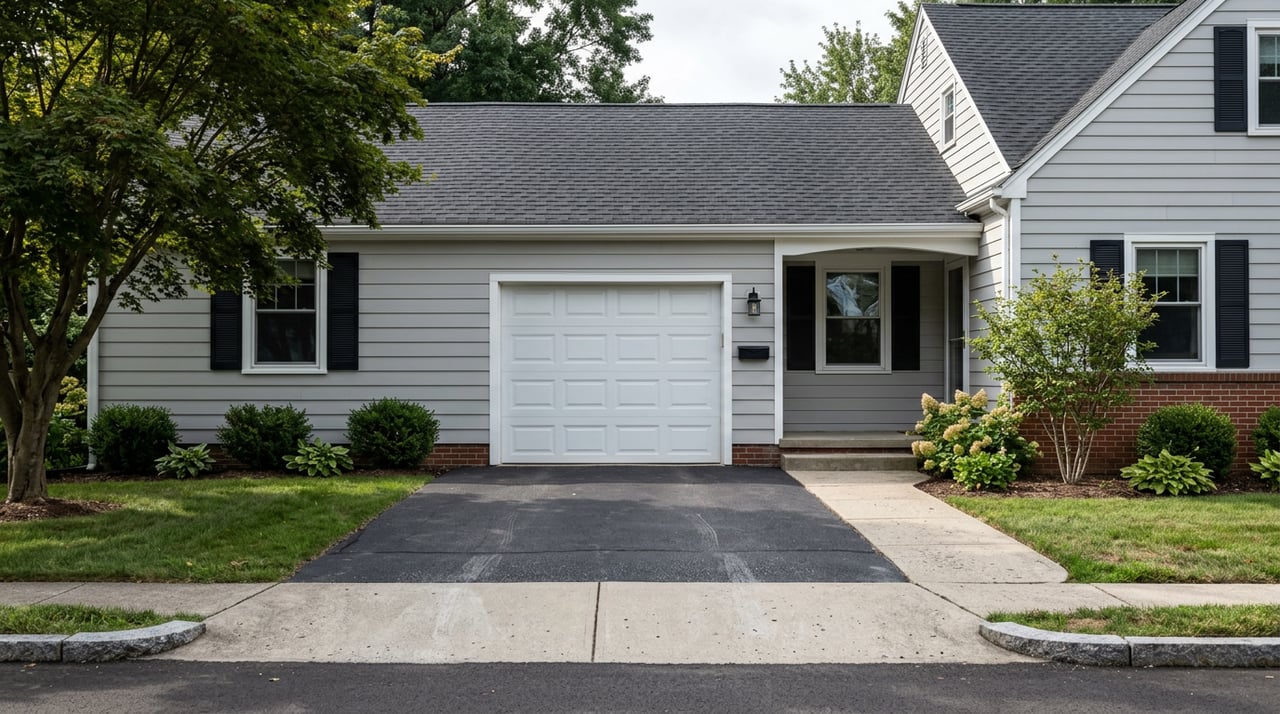
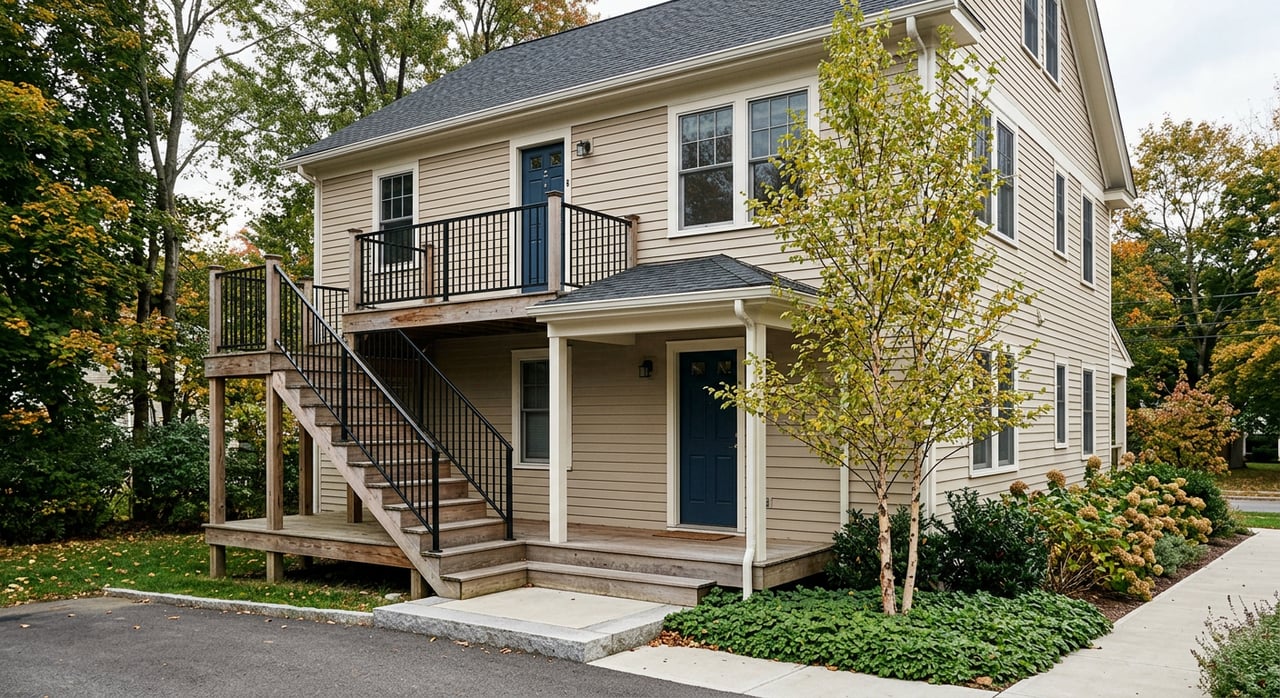
Albany’s housing stock is diverse. You will find historic brownstones and rowhouses in Center Square and the Mansion District, two-family homes and older single-family houses in Pine Hills, post-war homes near the city edge, and newly converted lofts or infill units in the Warehouse and South End corridors. The city’s comprehensive plan emphasizes preservation and mixed-use neighborhood centers. Review priorities in Albany 2030.
Here is how to think about budgets with date-stamped context:
- Owner baseline: The U.S. Census 2019–2023 ACS shows a median owner-occupied value of $223,000. Census QuickFacts
- Market snapshot: Zillow’s January 2026 typical city home value is roughly $310,000. Use this for a current, listing-driven view and expect variation by neighborhood and property condition.
- Rent baseline: The Census 2019–2023 median gross rent is lower than current asking rents. Market sources placed typical asking rents in the $1,500 to $1,600 range in January 2026, with closer-in, walkable areas often trending higher.
What this means for you:
- If you want a walkable lifestyle near Lark Street or Washington Park, set a higher budget for updated units or well-kept historic homes.
- If you need more space at a moderate price, look at Pine Hills and nearby residential areas where two-family and older single-family homes are common.
- If you are value-minded or an investor, explore streets in Arbor Hill and West Hill, and plan for detailed due diligence on block-level trends and recent projects.
Everyday pros and cons
Pros
Cons
- A patchwork of neighborhood investment. Street-level conditions can vary, so it is smart to review recent development activity, public safety data, and local association updates before you buy. See city goals and context in Albany 2030.
- Market volatility can shift prices and rents quickly, so use date-stamped data and review live listings when you decide.
How I can help you move confidently
Whether you are a first-time buyer, moving up for more space, relocating for work, or investing, you deserve a plan that matches your budget and goals. I combine financing fluency with data-forward pricing and negotiation so you can make clear, confident decisions. If you want to compare neighborhoods, time your purchase or sale, or run numbers on a two-family or value-add project, I am here to help.
Ready to talk through your options in the Capital Region? Connect with Kayla Mooney. Let’s connect.
FAQs
Is Albany walkable for daily errands?
- Some neighborhoods are very walkable, especially Center Square and Downtown, while others are more car dependent; bus service via CDTA’s BusPlus supports many commutes.
How much does it cost to live in Albany in 2026?
- As a baseline, the Census 2019–2023 median owner-occupied value is $223,000 and market sources showed a typical city home value near $310,000 in January 2026, with rents around $1,500 to $1,600. Census QuickFacts
What are the best areas for parks and green space in Albany?
- Washington Park anchors several central neighborhoods and the Albany Pine Bush Preserve adds 18 to 20 miles of trails and programs nearby.
How do I travel to NYC or Boston from Albany?
- Albany-Rensselaer is the region’s Amtrak hub with multiple services to major cities; check route updates on the Amtrak media site.
How far is the airport from downtown Albany?
- Albany International Airport is typically a 10 to 15 minute drive from downtown in normal traffic; review flights and updates at Albany International Airport.