Preparing Your Colonie Home To Stand Out To Buyers
April 2, 2026
April 2, 2026
If your home could hit the market in a week, would it look ready for today’s buyers? In Colonie, where homes are selling quickly and often drawing multiple offers, buyers notice condition fast. The good news is you do not need a full renovation to make a strong impression. You need a smart plan that helps your home look clean, cared for, and easy to picture living in. Let’s dive in.
Colonie is a competitive market for sellers, but that does not mean presentation is optional. Redfin’s Colonie market data shows a median sale price of $405,000, a median of 6 days on market, and a 102.7% sale-to-list ratio, with many homes receiving multiple offers.
Fast markets still reward homes that feel move-in ready. National Association of Realtors data shows buyers are less willing to compromise on a home’s condition, especially in a period marked by limited inventory and higher mortgage rates. If you want buyers to feel confident, your home should read as polished and low-maintenance from the start.
Before buyers notice square footage or finishes, they notice how your home feels. According to the 2025 NAR Profile of Home Staging, 83% of buyers’ agents say staging makes it easier for buyers to visualize a property as their future home.
That same report shows sellers’ agents most often recommend decluttering, whole-home cleaning, and curb appeal improvements before listing. In other words, the basics matter. A clean, bright, organized home usually does more for buyer confidence than expensive personal upgrades.
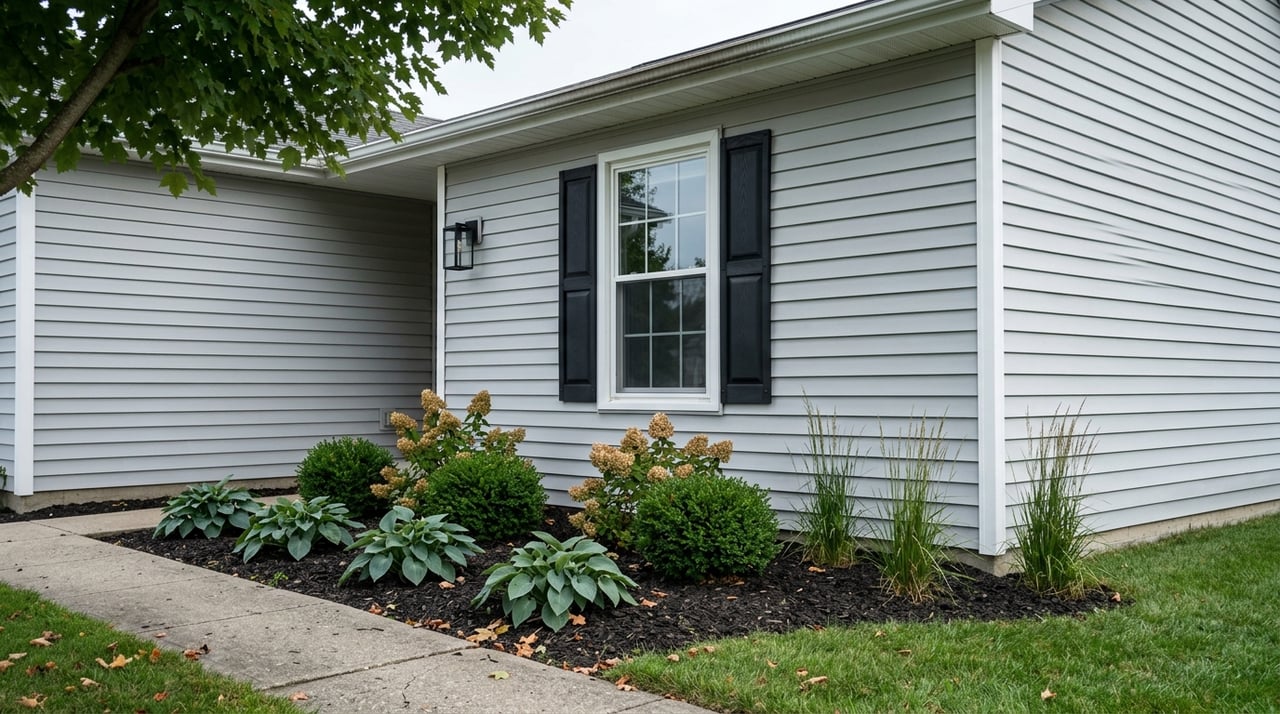
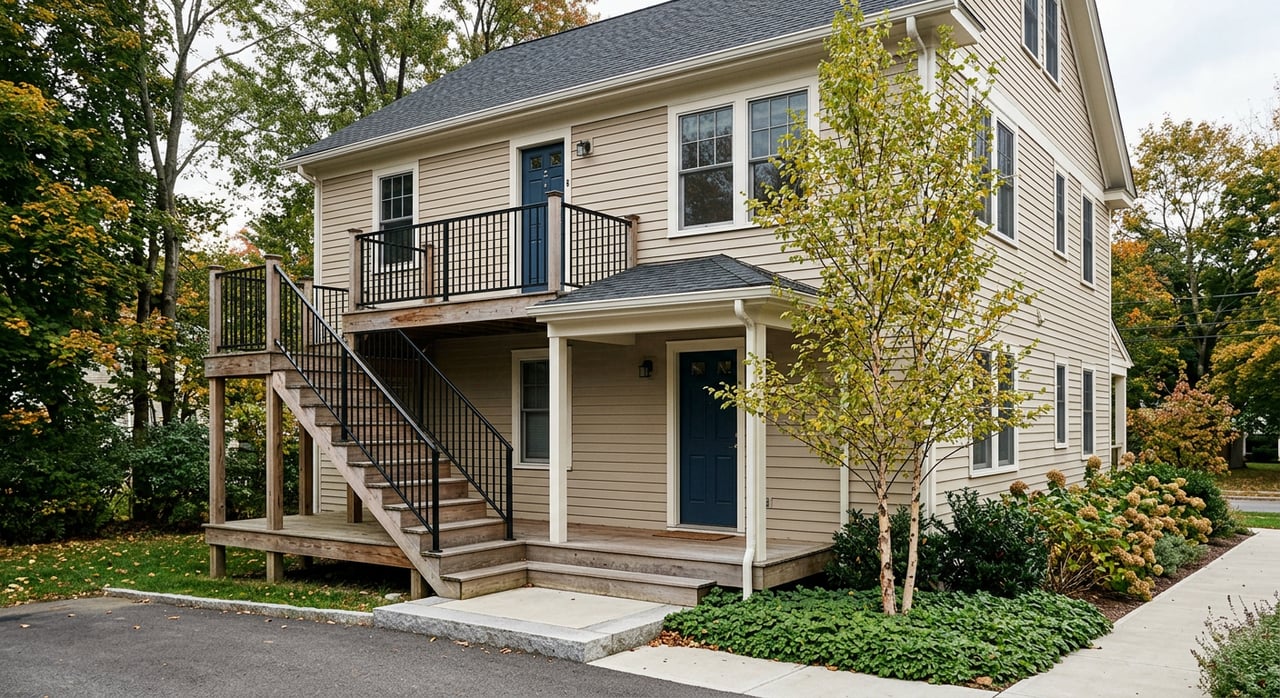
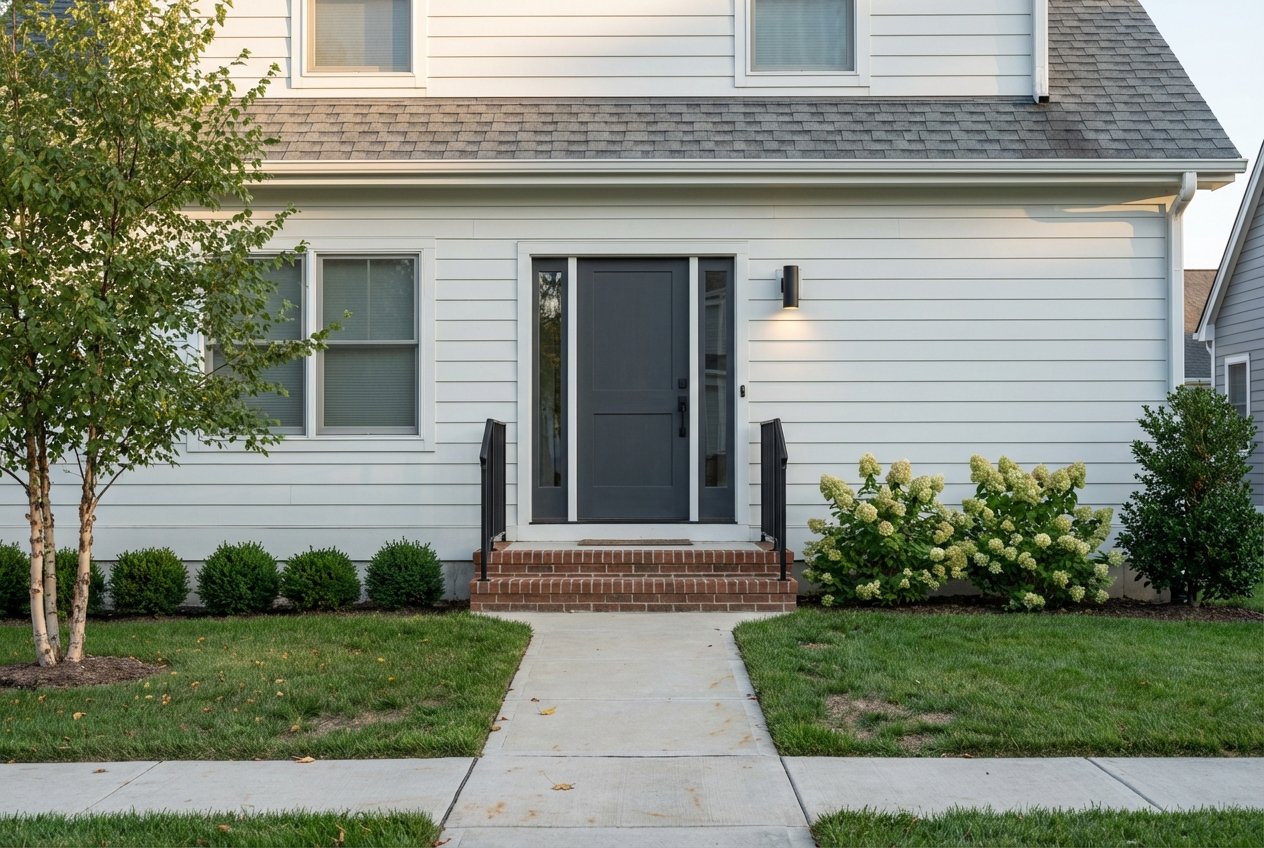
The outside of your home sets the tone for everything that follows. In Colonie, that matters even more because winter snow, salt, and slush can quickly make an entry look tired. Albany climate normals from the National Weather Service show cold, snowy winter conditions that can leave residue and grime on walks, stoops, and siding.
You do not need a major exterior project to improve first impressions. Focus on practical, visible updates that help your home look maintained.
NAR’s 2025 Remodeling Impact Report ranks garage doors, front doors, siding, and exterior paint among the stronger projects for cost recovery. But for most sellers, a clean entry, fresh paint, and obvious repairs are the better first move.
If you are living in the home while selling, the goal is not to make it look empty. The goal is to make it feel more open, functional, and easier to picture. NAR’s staging field guide recommends cleaning, decluttering, repairing, depersonalizing, and updating as the core of home prep.
That means your first pass should be subtraction, not shopping. Remove extra furniture, clear flat surfaces, pack personal photos, and simplify anything that makes rooms feel crowded.
Not every room needs the same level of attention. The 2025 NAR staging report found that the most important rooms to stage are the living room, primary bedroom, and kitchen.
If your budget or time is limited, start there. These spaces tend to shape a buyer’s overall impression of the home.
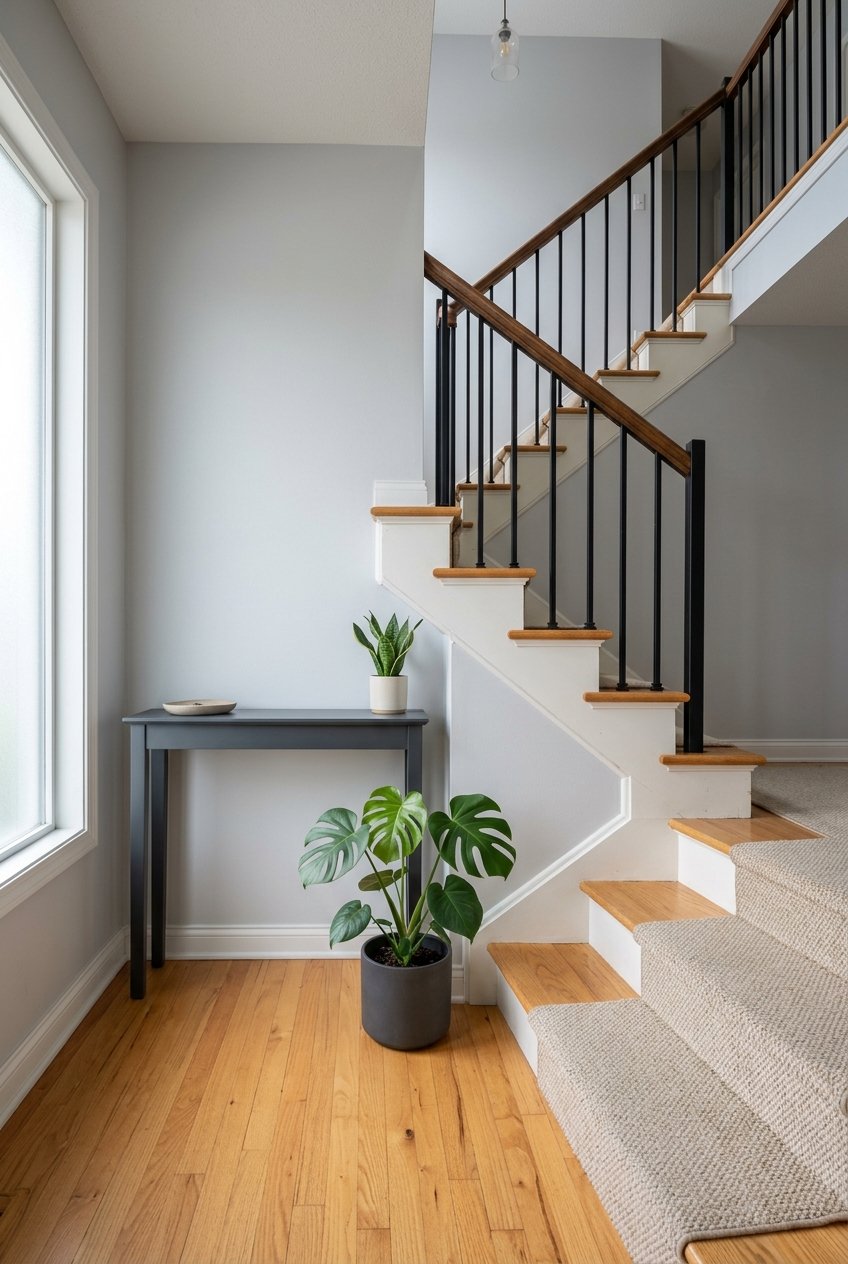
The living room is the top space to prioritize. Buyers should be able to see clear walking paths, comfortable seating, and a layout that makes sense.
Use fewer pieces if the room feels tight. Keep decor simple, hide cords, and remove anything that distracts from the size and function of the space.
Your primary bedroom should feel calm and spacious. Make the bed neatly, reduce extra furniture, and clear nightstands and dressers.
Closets matter too. An organized closet suggests usable storage, while an overstuffed one can make buyers think the home lacks space.
The kitchen should look bright, clean, and ready to use. Clear counters as much as possible, deep clean surfaces, and replace burnt-out bulbs.
Small fixes go a long way here. If cabinet hardware is loose, caulk is cracked, or paint is scuffed, take care of those items before spending money on larger upgrades.
One of the biggest mistakes sellers make is jumping to expensive projects before handling visible maintenance. Buyers tend to react more strongly to signs of neglect than to older but functional finishes.
The NAR staging report notes that many sellers’ agents focus on fixing property faults rather than formal staging. That usually means your money works harder when you solve obvious problems first.
For colder homes, simple comfort fixes can help too. The U.S. Department of Energy says weatherstripping double-hung windows can be a low-cost project with estimated energy savings of 5% to 10%, which can help reduce noticeable drafts during showings.
It is easy to assume you need to redo a kitchen or bathroom to compete. In most cases, that is not the best use of your time or budget right before listing.
NAR’s remodeling research supports a more targeted approach. Paint, roof work, exterior improvements, and practical updates often make more sense for sellers than full gut renovations, especially when the existing layout and systems are working.
If a feature is functional, safe, and not drawing immediate negative attention, it may belong in the leave-as-is category. Buyers in a fast market often respond better to a well-prepared home than to a highly customized one.
When you tackle projects in the right order, your budget stretches further and your home is ready for photos at the right time. Based on the staging and remodeling guidance in the research, the most effective sequence is simple and practical.
This matters because listing materials shape buyer interest early. The NAR staging report found that photos were considered important by 88% of sellers’ agents, ahead of videos and physical staging.
Bathrooms, basements, laundry areas, and utility spaces may not be the star of the listing, but they still influence how buyers judge upkeep. A spotless bathroom or dry basement can quietly build confidence.
Buyers want these areas to feel functional and maintained. Clean thoroughly, address leaks or dampness, and remove stored overflow so each space reads as useful rather than neglected.
In Colonie, your goal is not to create a designer showcase. Your goal is to make buyers feel that the home has been well cared for and will be easy to move into.
That approach fits both the market and buyer mindset right now. In a competitive environment, the homes that stand out are often the ones that feel clean, bright, repaired, and simple to understand from the moment buyers see the photos.
If you are getting ready to sell and want a prep plan that matches your budget, timeline, and goals, Kayla Mooney can help you focus on the updates that matter most and position your home for a strong market debut.
Stay up to date on the latest real estate trends.

Whether you’re exploring or ready to move, Kayla Mooney is here to guide you—reach out today.