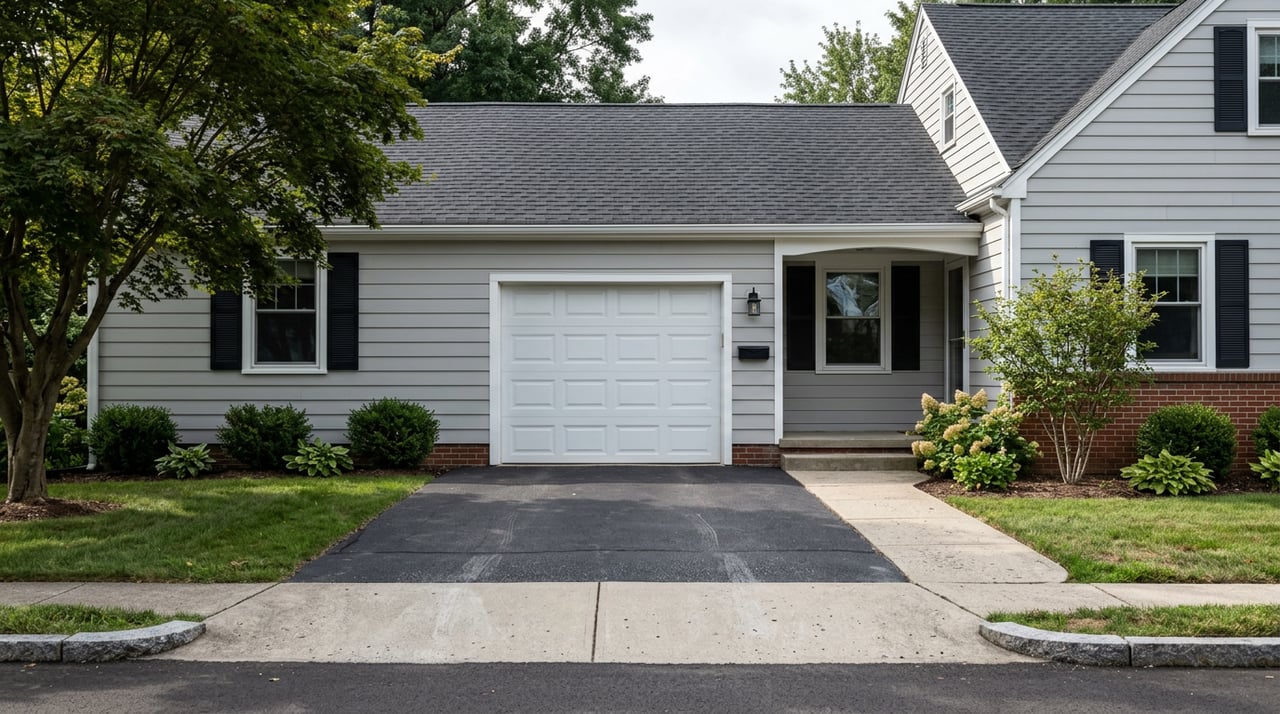
Living In Colonie NY: Suburban Convenience And Access
March 24, 2026
March 24, 2026
Looking for a suburb where your daily routine just works? If you want short drives to everything, easy highway access, and reliable options for parks and shopping, Colonie checks a lot of boxes. Whether you are buying your first place, moving for more space, or relocating for work, you will find practical choices across many price points. In this guide, you will learn how Colonie lives day to day, from neighborhoods and commutes to home styles, parks, schools, and costs. Let’s dive in.
Colonie sits at the Capital Region’s crossroads. I‑87, known as the Adirondack Northway, connects quickly with I‑90, which makes regional drives simple in most directions. That access is a primary reason many buyers target Colonie for a balanced commute. If you want to see the corridor layout and exits, check the overview for Interstate 87 in New York.
You also have Albany International Airport right in town on Albany Shaker Road. For frequent flyers and visiting family, that is a major plus. See flight and location details on the Albany International Airport site.
On the ground, key corridors like Wolf Road and Central Avenue cluster most everyday services. The regional mall and anchor stores at Colonie Center put big brands and essentials a short drive away. Crossgates is just a few minutes beyond, which broadens your retail and dining choices.
Colonie is one of Albany County’s largest suburbs with a stable, mature profile. According to Census QuickFacts for Colonie:
These figures help set baseline expectations as you compare Capital Region suburbs.
Loudonville covers older, tree‑lined streets with larger lots and period architecture. You will see Colonial Revival, Georgian, and Tudor influences along and near Loudon Road. To get a feel for the local character, review the context for the Loudon Road Historic District.
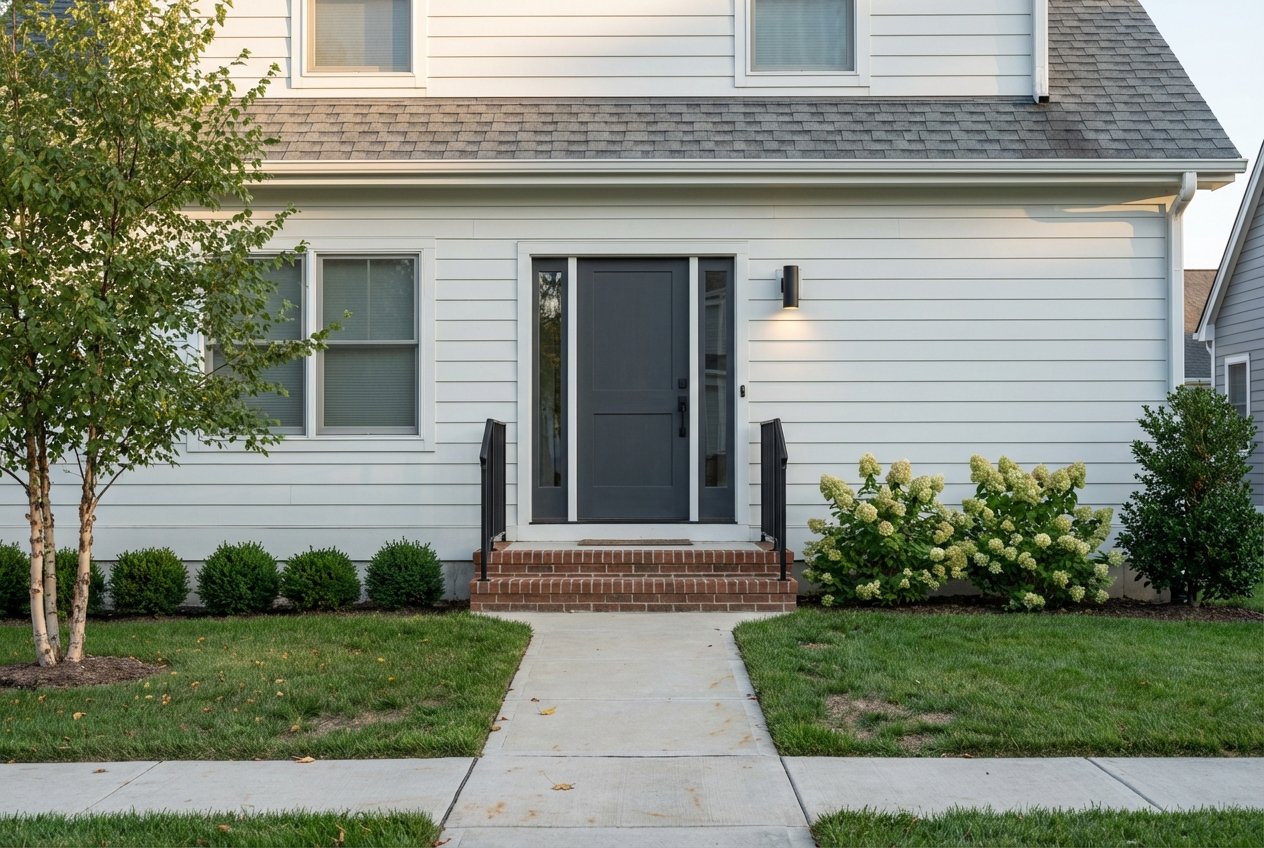
Much of Latham and central Colonie grew during the post‑war era. Expect classic suburban layouts with ranches, split‑levels, capes, and two‑story colonials on manageable lots. Many streets are close to shopping corridors, parks, and schools.
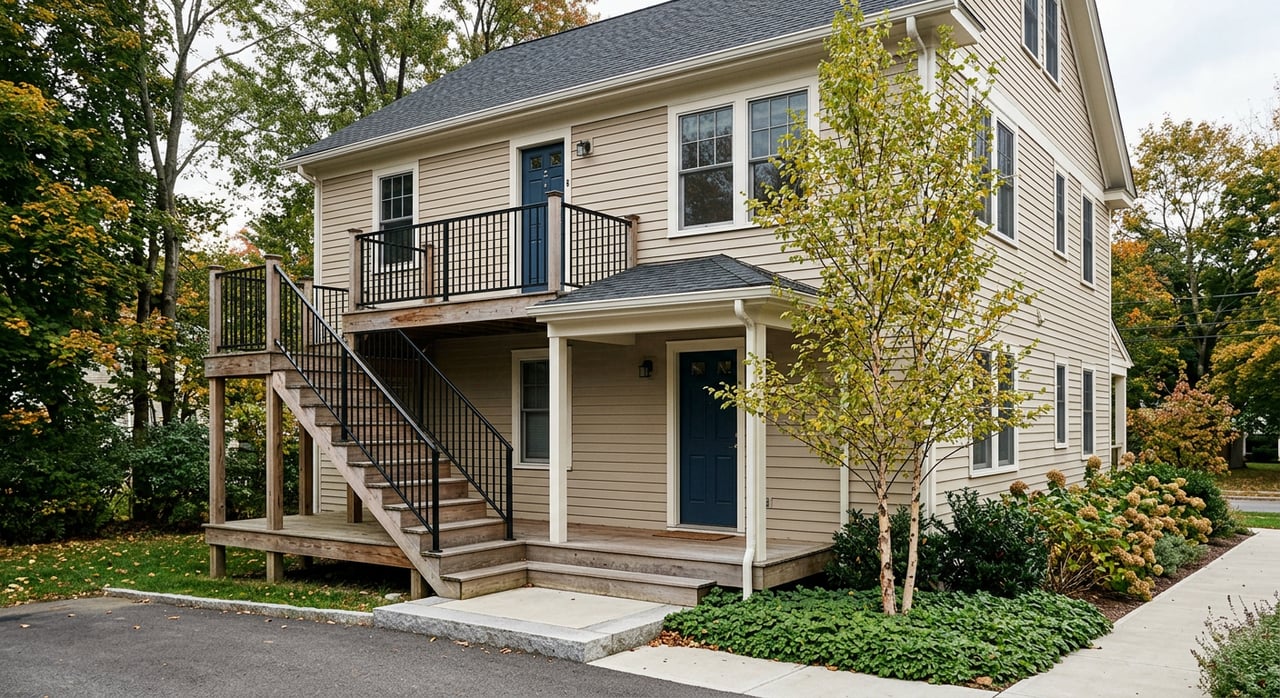
Near major retail nodes and transit lines, you will find a mix of townhomes and condos. These can be attractive if you want lower maintenance or a more modest entry price while staying close to errands and commuting routes.
For a stable reference point, the median value of owner‑occupied homes in Colonie is about $322,900, based on recent American Community Survey estimates from the U.S. Census. Day‑to‑day listing and sale prices move with inventory and season. Recent market snapshots from public portals often show the overall Colonie area in the low to mid $300Ks. Loudonville generally lands higher due to lot size and architecture, while many mid‑century neighborhoods in Latham and central Colonie offer more traditional starter and move‑up options.
Keep in mind:
Colonie’s commute profile is one of its strengths. The mean travel time sits around 20 minutes, but your actual drive will depend on route, time of day, and weather. The Wolf Road and Central Avenue corridors, plus Northway ramps, can see peak congestion.
Public transit is available through CDTA. Key routes serve Central Avenue, Wolf Road, and the airport, including crosstown options that connect major shopping and job centers. For current routes and schedules, visit CDTA’s routes page. If you travel regionally by rail, you will likely drive or take a bus to Amtrak’s Albany‑Rensselaer station across the river, since commuter rail does not run directly through town neighborhoods.
If you fly for work or family, the convenience of having Albany International Airport in Colonie keeps most trips low stress, with simple drop‑offs and quick returns home.
You can handle most errands within a short drive. Wolf Road and Central Avenue pack in grocery stores, dining, medical offices, and specialty shops. The enclosed mall at Colonie Center anchors the retail scene with national brands and convenience-focused parking.
Nearby Crossgates adds even more choices, including entertainment and big‑box retailers. If you value quick access to services without long crosstown drives, this layout will feel efficient.
Colonie supports an active parks system with playgrounds, fields, and community programs. The Crossings of Colonie is a popular local destination for walking paths and open space. You can browse options on the Town of Colonie Parks and Recreation page.
For trails and preservation land, the Albany Pine Bush Preserve sits close by. This rare inland pine‑barrens ecosystem offers hiking, biking, and nature programs. Learn more at the Albany Pine Bush Preserve site.
Multiple school districts serve the Town of Colonie. The two primary ones are North Colonie Central School District and South Colonie Central School District, with smaller overlaps in a few areas. Boundaries do not follow hamlet names or zip codes, so always verify any specific address with the district. You can start with the North Colonie district site, then confirm details directly with the district office.
New York’s STAR program can reduce annual school property taxes for eligible owner‑occupants. Savings vary by municipality and district, and they change over time. For current STAR savings by district and town, review the tables published by the New York State Department of Taxation and Finance.
Pros
Tradeoffs
Use this quick checklist as you compare suburbs:
If most of these feel like you, Colonie likely deserves a spot on your short list.
If you are weighing Colonie against other Capital Region suburbs, a short consult can save you time and help you focus on the right streets and school‑district zones. I pair neighborhood insight with financing‑aware strategy, so you can see current pricing, total monthly costs, and a smart plan to compete when you are ready. When you want a clear next step, connect with Kayla Mooney for a focused game plan and on‑the‑ground guidance.
Stay up to date on the latest real estate trends.

Whether you’re exploring or ready to move, Kayla Mooney is here to guide you—reach out today.