Thinking about buying a duplex, triplex, or fourplex in Albany but unsure how to run the numbers with confidence? You’re not alone. Between rents, taxes, utilities, and local rules, it’s easy to miss a line item that changes a deal. In this guide, you’ll learn a clear, Albany‑specific framework to analyze 2–4 unit properties, from reading listings and building a rent roll to modeling expenses, stress testing, financing, and renovation rules. Let’s dive in.
Why Albany small multifamily works
Demand drivers you can count on
Albany’s economy is anchored by state government, higher education, and healthcare. That employer base supports steady rental demand in and around downtown corridors and close to campuses and medical centers. This stability helps 2–4 unit buildings perform through different market cycles when they’re bought and managed with discipline.
Typical 2–4 unit buildings you’ll see
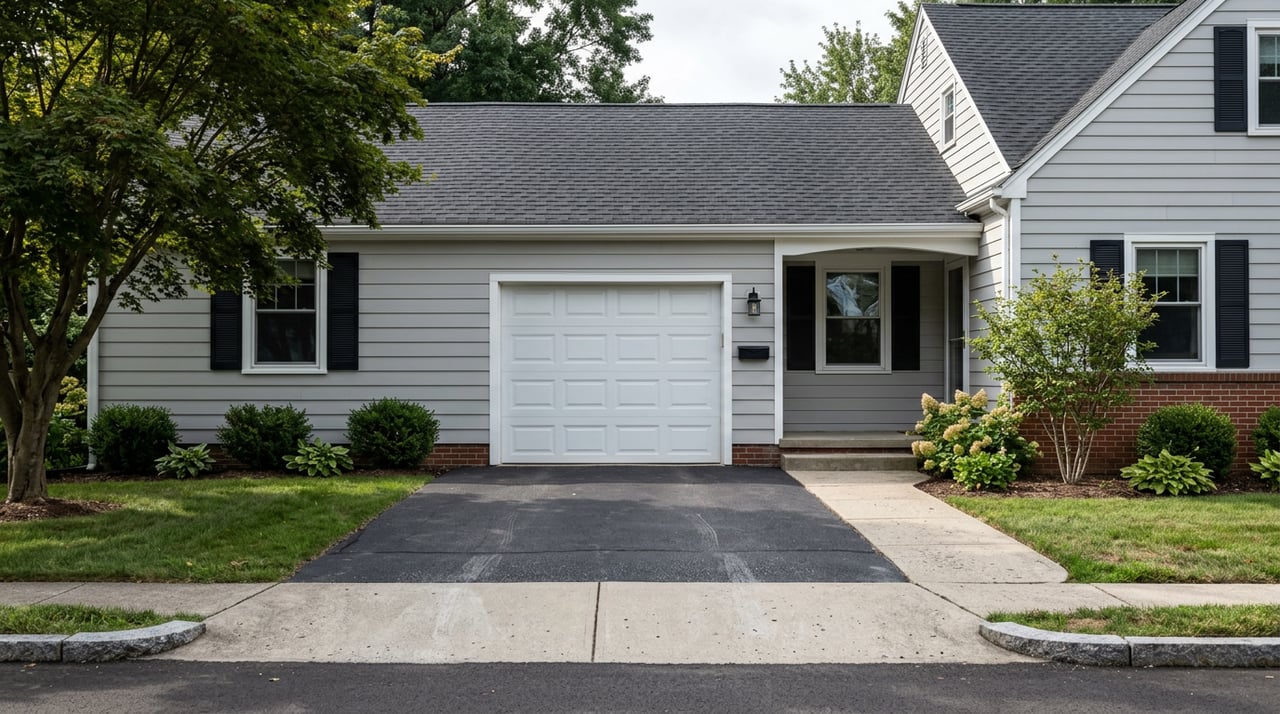
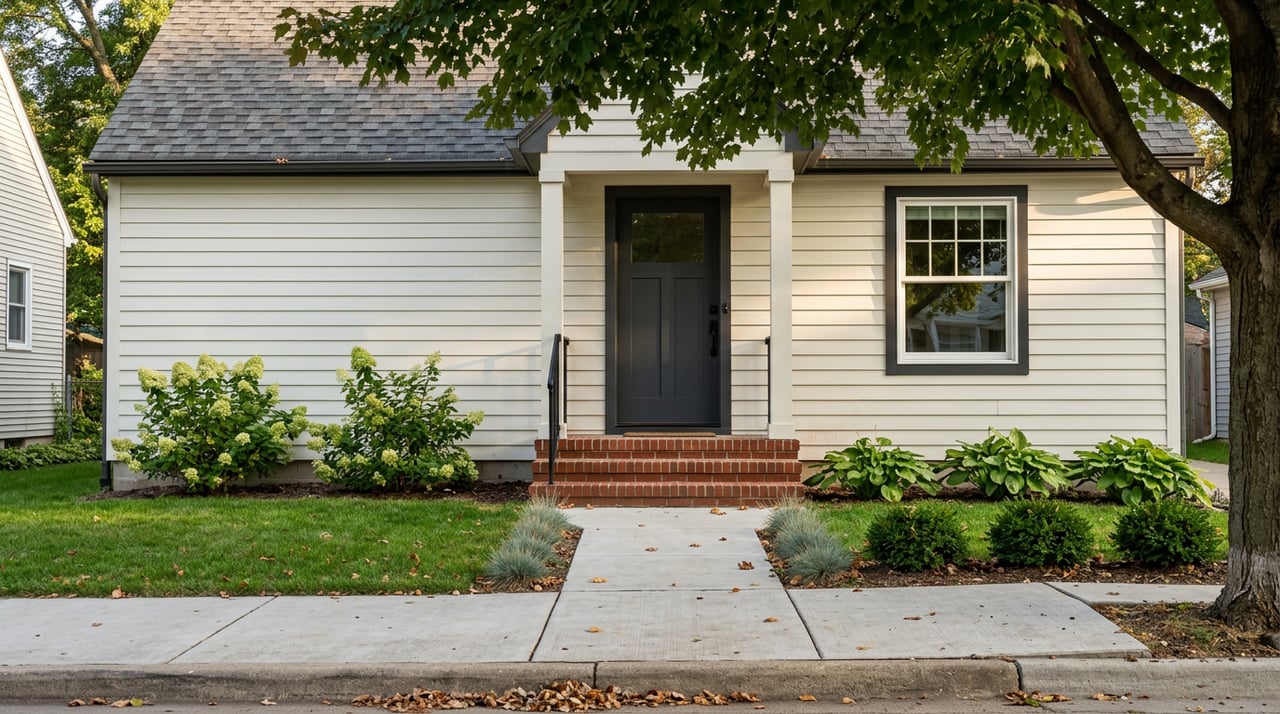
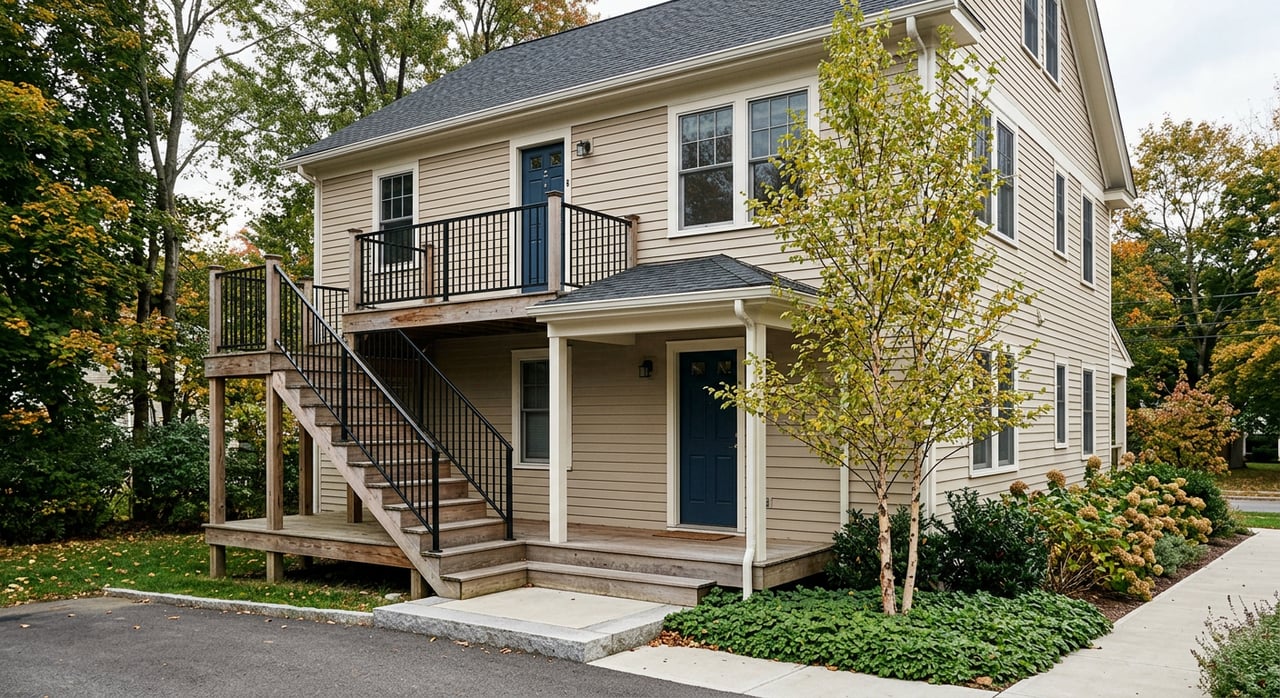
You’ll find attached brick two‑families, early to mid‑20th‑century triplexes and fourplexes, and house‑form duplexes throughout neighborhoods like Pine Hills, Lark Street, Washington Park, and the South End. Rents and tenant profiles vary by micro‑location, so always match comps to the immediate area and unit type.
Read the listing like an underwriter
What to extract immediately
Pull these facts from every listing and verify with the seller:
- Unit mix: number of units and beds/baths per unit.
- Current and market rents by unit, lease start/end dates, and deposit ledger.
- Who pays what utilities, presence of separate meters, and parking.
- Property condition: roof and boiler/HVAC age, electrical type, any signs of water intrusion or pests, and whether work was permitted.
- Occupancy proof and any rooming‑house or sublet arrangements.
Then ask for the rent roll, 12 to 24 months of rent receipts, vacancy history, and utility bills. Listings are often optimistic, so verify with documents.
Albany registration and legal checks
Albany requires rental dwellings to be registered and inspected. Confirm the property’s rental registration and certification status early using the City’s guidance for the Residential Occupancy Permit and Rental Dwelling Registry. Review code and inspection history before you assume you can keep or change the current unit layout. See the City code overview for rental registration and inspection requirements at the Department of Buildings and Regulatory Compliance guidance on Residential Occupancy Permits and the Rental Dwelling Registry.
Check taxes at two levels:
- City Treasurer: Property tax bills now include a Waste Collection Fee that is assessed per unit. The per‑unit amount can change, so confirm the current figure on the actual tax bill or the City’s tax page. Review billing details at the City Treasurer’s page on how tax bills are presented and paid.
- County: Look up assessed value, parcel history, and tax roll information through the Albany County Real Property portal. Start with the Albany County Real Property Tax Service Agency.
Red flags to pause on
- Missing rent roll or rents that do not match leases.
- Undocumented cash rents without receipts or bank deposits.
- Evidence of unpermitted unit conversions or illegal occupancy.
- No proof of current rental registration or inspection compliance.
Build a realistic rent roll
Pull and adjust comps
Use a three‑step workflow:
- Gather active rental comps and recent small‑multifamily sales for similar unit sizes and conditions in the same micro‑neighborhood. Add broader rent indexes for context, like the Apartments.com city trend page for anchors. City averages show about $1,540 for a 1BR and $1,830 for a 2BR at the time of writing. Use the Apartments.com overview of Albany rent market trends.
- Adjust each comp for condition, included utilities, parking, and layout. New kitchens and baths or modern HVAC often justify larger rent bumps; smaller cosmetic upgrades usually mean smaller adjustments.
- Set target unit rents and tally Gross Scheduled Income (GSI). Then apply a vacancy and collection loss to get Effective Gross Income (EGI).
You can also triangulate the 25th to 75th percentile range for a specific block using tools like Rentometer’s Albany averages. Always reconcile these anchors to real, nearby listings for the subject property’s location and finish level.
Vacancy and collection loss
Vacancy has been choppy across markets since 2023, so underwrite with a margin of safety. For small 2–4 unit buildings in Albany, many investors use 5 to 8 percent for vacancy and collection loss. You can review national context from the Joint Center for Housing Studies to understand broader shifts in professionally managed stock. See the Harvard JCHS report on the State of the Nation’s Housing for trend background, then set your local assumption based on neighborhood comps.
Forecast expenses with Albany specifics
Taxes, City fees, and utilities
- Property taxes: Pull the parcel’s assessed value and current tax bill through the county portal. Do not rely on percentage estimates. Start your search with the Albany County Real Property Tax Service Agency.
- Waste Collection Fee: Albany’s per‑unit WCF appears on the City tax bill. Amounts can change over time, so include a line item in your pro forma and verify the current year’s figure on the bill or via the City’s How to Pay Tax Bills page.
- Utilities: Confirm who pays water and sewer, heat, and electric. If heat is owner‑paid, separate meters and efficient systems matter. If tenants pay most utilities, your operating costs will be lower. Always verify the last 12 months of utility bills.
Insurance, repairs, management
- Insurance: Older buildings with boilers, oil tanks, or deferred maintenance often cost more to insure. Get local quotes tied to the address and systems.
- Repairs and reserves: Many small‑multifamily investors budget maintenance plus capital reserves at roughly 10 to 20 percent of gross rent, or about $500 to $2,000 per unit per year as a starting point. Adjust after your inspection and contractor bids.
- Management: If you plan to hire a professional manager, expect around 8 to 12 percent of collected rent, plus possible leasing fees. Self‑management reduces cash expenses but still requires time and systems.
Stress test your numbers
Run these quick scenarios on your pro forma. If the deal only works in a perfect case, keep looking.
- Rents drop 10 percent: Recalculate EGI and confirm debt coverage still holds.
- Vacancy doubles: If you used 7 percent, test at 14 percent to see cash flow impact.
- One‑time CapEx hit: Model a $25,000 to $50,000 repair in year one and see if reserves or cash flow can cover it.
- Interest rate shock: If you have an adjustable or plan to refinance, test payments at a higher rate.
Financing options for 2–4 units
Owner‑occupant paths (FHA and 203(k))
If you plan to live in one unit, FHA allows financing for 1–4 unit properties. The FHA 203(k) program can combine purchase and renovation into one loan for owner‑occupants, with streamlined and standard options. Confirm eligibility and scope limits with an FHA‑approved lender. Learn more about 203(k) from HUD’s official program page.
Conventional and portfolio lending
Conventional (Fannie/Freddie) financing supports 2–4 unit properties for owner‑occupants and investors, with different down payment, reserve, and DTI requirements. If you plan to qualify using rental income, lenders will require documentation and apply specific calculations for gross monthly rent. For guidance on documentation and rental income treatment, review Fannie Mae’s Selling Guide overview hosted here: Selling Guide reference. Investors who do not occupy may also use DSCR or local portfolio loans, which vary by lender.
Questions to answer before you offer
- Will you occupy a unit, or is this a pure investment?
- Are you relying on current rents to qualify? Do you have leases and receipts?
- Do your assumptions still work after stress tests?
Renovation and value‑add rules that matter
Lead‑safe rules for pre‑1978 buildings
Many Albany 2–4 unit properties were built before 1978. Renovations that disturb paint often fall under the EPA’s Renovation, Repair and Painting rule. Contractors must be certified and use lead‑safe work practices, which can affect scope, cost, and timelines, especially with occupied units. Review the EPA’s enforcement alert on lead‑safe renovation requirements.
Registration, inspections, and unit changes
Albany requires rental registration and periodic inspections. If you plan to add a kitchen, change layouts, or legalize a unit, confirm zoning, egress, and permit paths with the City first, then budget time for re‑inspection and certification. See the City’s guidance on rental registration and inspections before you underwrite any value‑add.
Scopes that move the needle
- Cosmetic: Kitchen refresh, paint, floors. Usually the fastest path to market rents.
- Systems: Roof, boiler, electrical. Larger ticket items that can derail cash flow if unplanned.
- Unit configuration: Adding a legal unit or full kitchen can drive value, but it carries the highest regulatory and construction risk.
Example triplex pro forma (Albany)
Below is a simple illustration. Replace anchors with live comps and parcel‑specific taxes before you offer.
- Unit A (1BR) target rent: $1,540 per month. Source: Apartments.com city average.
- Unit B (2BR) target rent: $1,830 per month.
- Unit C (2BR) target rent: $1,830 per month.
- Gross Scheduled Income (GSI): $5,200 per month, $62,400 per year.
- Vacancy and collections at 7 percent: Effective Gross Income (EGI) ≈ $58,032 per year.
- Operating expenses at 40 percent of EGI (taxes, insurance, owner‑paid utilities, maintenance, management): ≈ $23,213.
- Net Operating Income (NOI): ≈ $34,819 per year.
Valuation sense‑check using a 7 percent cap rate: $34,819 / 0.07 ≈ $497,000. Compare this to recent per‑unit sales and GRMs nearby, then adjust for condition and documented rent upside.
Sensitivity checks on the same example:
- Rents 10 percent lower: GSI ≈ $56,160, EGI at 7 percent ≈ $52,229, NOI falls accordingly. Does debt coverage still work?
- Vacancy at 12 percent: EGI declines to ≈ $54,912, which compresses NOI. Confirm your cushion.
- Major CapEx in year one: Factor a $30,000 hit. Do reserves plus cash flow cover it without emergency financing?
Albany due diligence checklist
Before you write an offer, work through this quick list:
- Pull the parcel page, assessment roll, and most recent tax bill from the Albany County Real Property portal.
- Request the rent roll, all leases, deposit ledger, 12 months of rent receipts, utility bills, and P&L. Verify deposits against bank statements when possible.
- Confirm rental registration and inspection status with the City and review any open permits or violations. See the City’s rental registration code references.
- Order an inspection that focuses on structure, mechanicals, and environmental risks. If the building is pre‑1978, plan for lead‑safe work and potential clearance testing. Review the EPA’s RRP enforcement alert.
- Get insurance quotes and a mortgage pre‑approval that matches your plan: owner‑occupant with or without 203(k), or investor with conventional or portfolio terms. See HUD’s 203(k) overview for rehab‑inclusive financing.
- Include contingencies to review tax bills and assessments, leases and deposits, and building and health code compliance.
Ready to analyze your next Albany multifamily?
If you want a second set of eyes on a duplex, triplex, or fourplex, I’m here to help you pressure‑test the numbers, confirm local requirements, and plan a competitive offer. For a walk‑through of your deal and a tailored underwriting template, connect with Kayla Mooney. Let’s build your next win.
FAQs
How do I estimate unit rents for a 2–4 unit in Albany?
- Start with active neighborhood rentals matched by size and condition, then cross‑check with broader anchors like the Apartments.com trend page for Albany and a percentile range from Rentometer’s Albany averages, adjusting for utilities, parking, and finishes.
What is the Waste Collection Fee and how should I budget it?
- Albany includes a per‑unit Waste Collection Fee on the City tax bill; confirm the current amount on the actual bill or the City’s How to Pay Tax Bills page and add it as a separate operating expense line item.
What vacancy rate should I use when underwriting Albany small multifamily?
- Many investors use 5 to 8 percent for vacancy and collection loss; set your number based on neighborhood comps and review national context in the Harvard JCHS housing report on market vacancy trends.
Which financing options work for an owner‑occupied duplex or triplex in Albany?
- FHA allows 1–4 unit owner‑occupied financing, and 203(k) can roll purchase and renovation into one loan; see HUD’s 203(k) program and compare to conventional terms with your lender.
What permits or certifications should I verify before closing on an Albany multifamily?
- Confirm rental registration and inspection status, check for open permits and code violations, and verify that all units are legal under the City’s rental registration and inspection rules before you rely on current or projected rents.